
BLUSH Estética · Central Málaga
What layer of skin is eyebrow microblading done in? How the pigment settles
Microblading is done in the top layer of the skin: the pigment is placed in the epidermis, close to where it meets the dermis, at a very shallow depth. That’s why it is a semi-permanent tattoo that fades over time, unlike a traditional tattoo, which goes deeper into the skin, within the dermis, and is permanent.
What is the microblading procedure?
Microblading is a semi-permanent makeup technique, also known as eyebrow embroidery or cosmetic tattooing, that draws fine, hair-like strokes, one by one, to mimic natural eyebrow hair. It is done with a handheld tool (sometimes called a tebori pen) holding a row of fine needles: it makes small, superficial micro cuts and implants colour into the gaps or the areas you want to fill. The result is a soft and natural effect, with each stroke crisp and defined.
It isn’t the same as other eyebrow permanent makeup techniques that work using a machine: with microshading the colour is applied in tiny dots for a powder effect, and nanoblading uses a single needle on one of the permanent makeup machines. If you’d like the comparison, read nanoblading vs microblading.
The layers of the skin in a nutshell
Epidermis
The first layer, at the surface of the skin, thin and constantly renewing. Blading works here, in its deepest part.
Dermis
The middle layer of the skin. This is where conventional tattoo ink is placed, which is why it doesn’t disappear.
Hypodermis
The bottom layer, made of fatty tissue. Your brows are never treated this deep.
Where does the pigment in microblading go?
The pigment is deposited superficially, right at the junction of the epidermis and dermis, less than a millimetre deep. Implanting pigment at that depth is the key to the whole treatment:
- Too shallow, and the colour comes away with the scab and the flaking: the brow heals patchy or with hardly any strokes left.
- Too deep, and the pigment implanted can blur, look bluish or greyish over time and lose its natural effect, like old line tattoos. The skin also suffers more.
- At the right depth, the pigment into the skin heals fine and sharp, with good pigment retention, and fades gradually and evenly.
Because the epidermis is constantly renewing, over the months the skin sheds part of the colour. That’s why microbladed brows last between one and two years depending on your skin and aftercare, and are maintained with an annual touch-up. You’ll find the timings in how long does microblading last and the reasons it can fade sooner in why does microblading fade.
Antonella’s tip: the fact that it’s superficial doesn’t mean it’s a simple procedure. Controlling the pressure of every stroke is what takes a microblading artist the most experience, and it’s what makes the difference between brows that heal beautifully and brows that smudge.
Why your skin type changes how microbladed brows heal
The technique is the same, but every skin responds differently, so it has to be taken into account before anything is done. Are you a good candidate?
- Dry or normal skin: usually holds the stroke well, and the hair strokes stay more defined.
- Oily skin or enlarged pores: excess sebum makes the stroke open up and look softer; in these cases a combination finish with shading often works better.
- Thin skin or mature skin: needs less pressure and more care with the eyebrow shape.
Your skin phototype (how fair or dark it is) also affects the pigment colour we choose, to avoid unwanted tones once healed. That’s why each individual’s face and skin is assessed in person: not everyone is the ideal candidate for microblading.
The healing process and aftercare
Because the treated area is a very superficial wound, the skin heals within a few weeks. During the healing process, for the first few days the colour looks intense, then a fine scab forms, the brow flakes and itches, and for a few days the strokes seem to disappear before showing again. We explain it phase by phase in microblading healing stages, and the colour change in when does microblading colour settle.
Between 4 and 6 weeks later comes the touch-up session, to fill in any strokes that didn’t hold and fine tune the shade. Following the aftercare at home matters as much as the technique: if you pick the scab or get direct sun, colour is lost.
Is it the same as an eyebrow tattoo?
No. A conventional tattoo uses ink and a machine and is implanted into the skin down in the dermis, which is why it is permanent and over the years can change colour or spread. Microblading works higher up, with permanent makeup pigments, organic and inorganic, designed to fade over time. Getting permanent makeup is a cosmetic choice; among cosmetic procedures, it’s one of the gentlest on the skin. If you have tattooed brows and aren’t sure what to do, see eyebrow tattoo vs microblading.
Real results at BLUSH
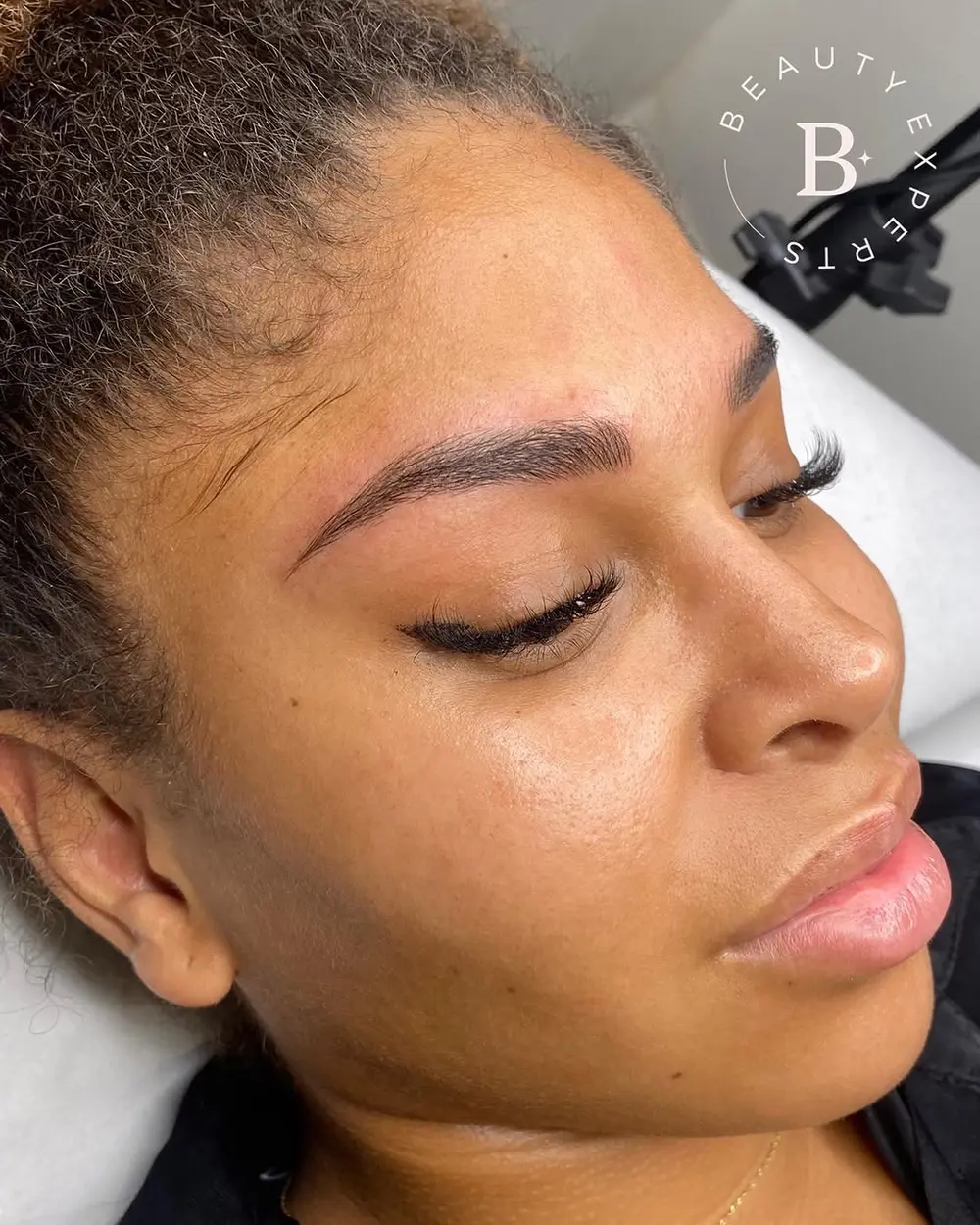
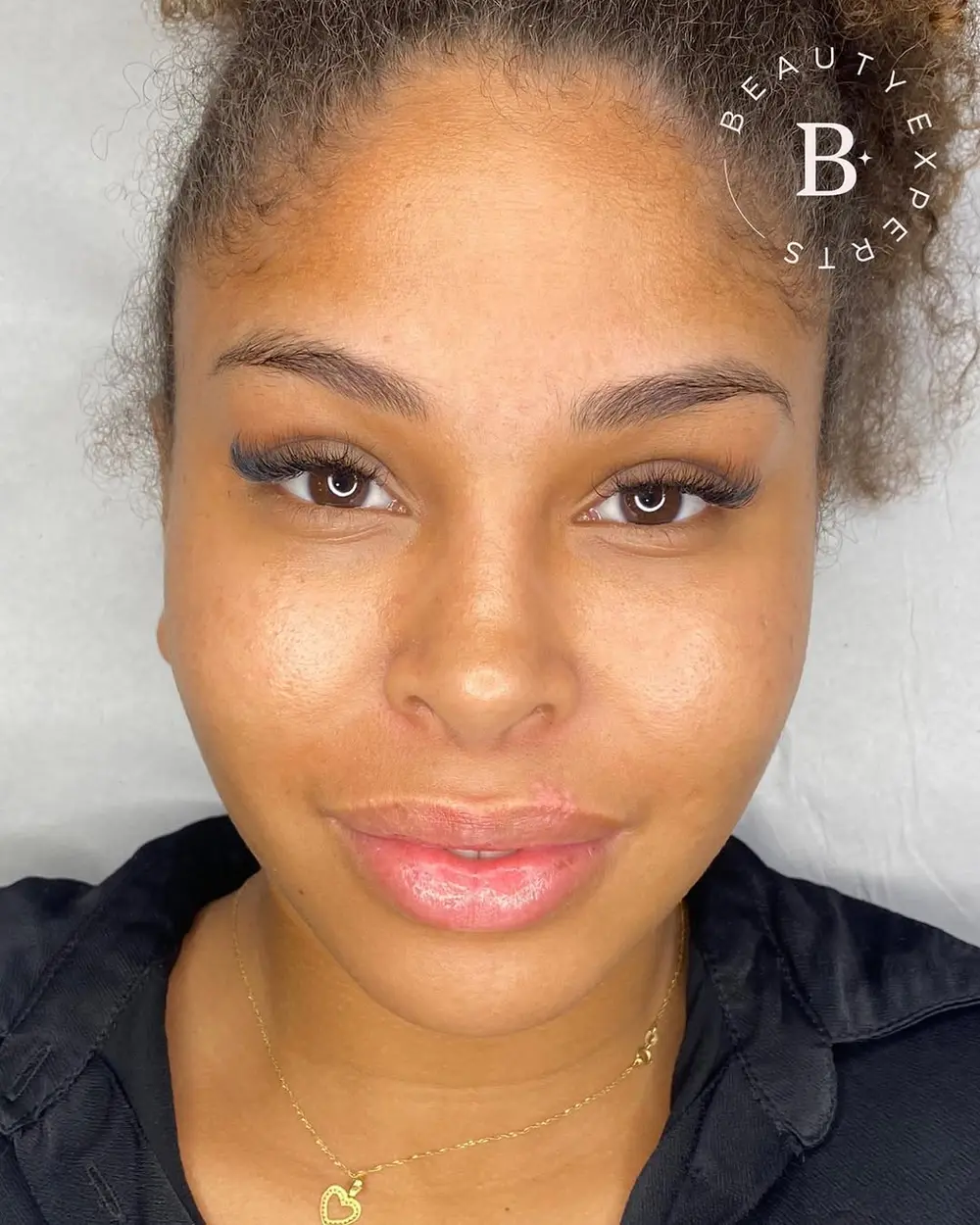
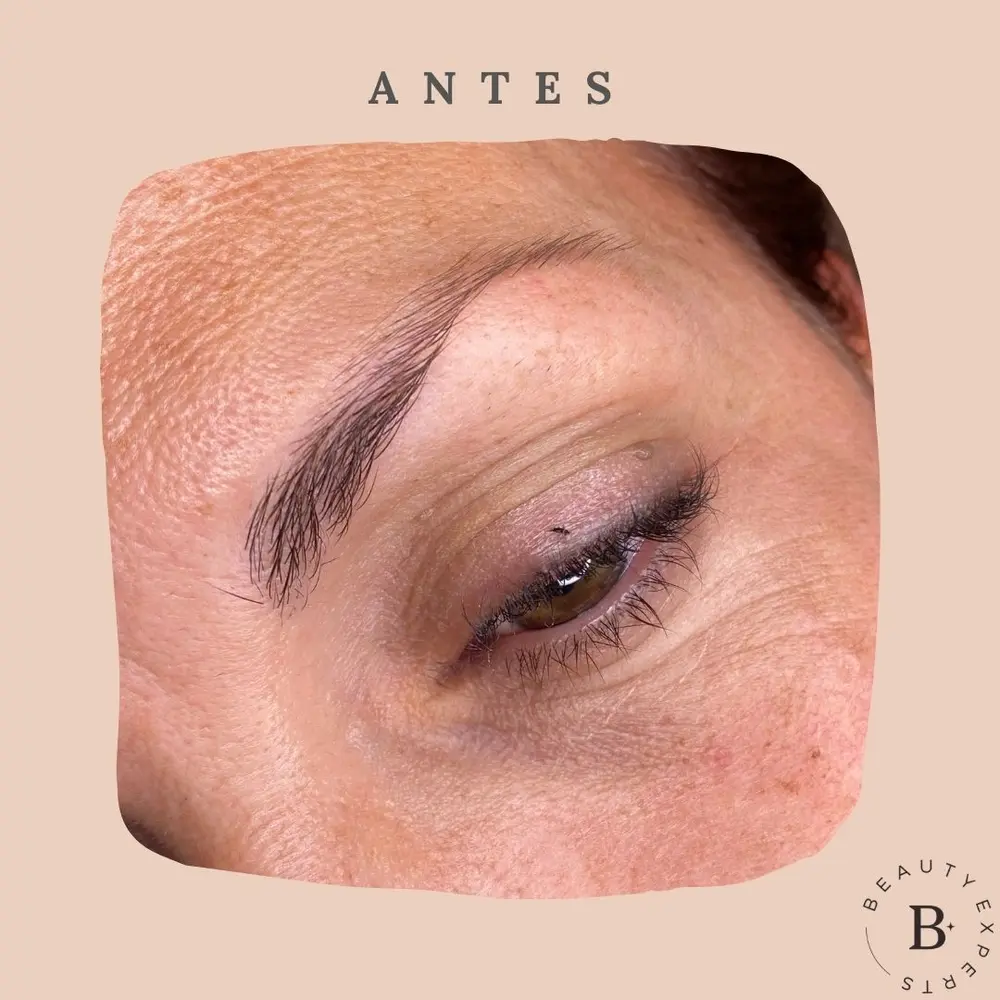
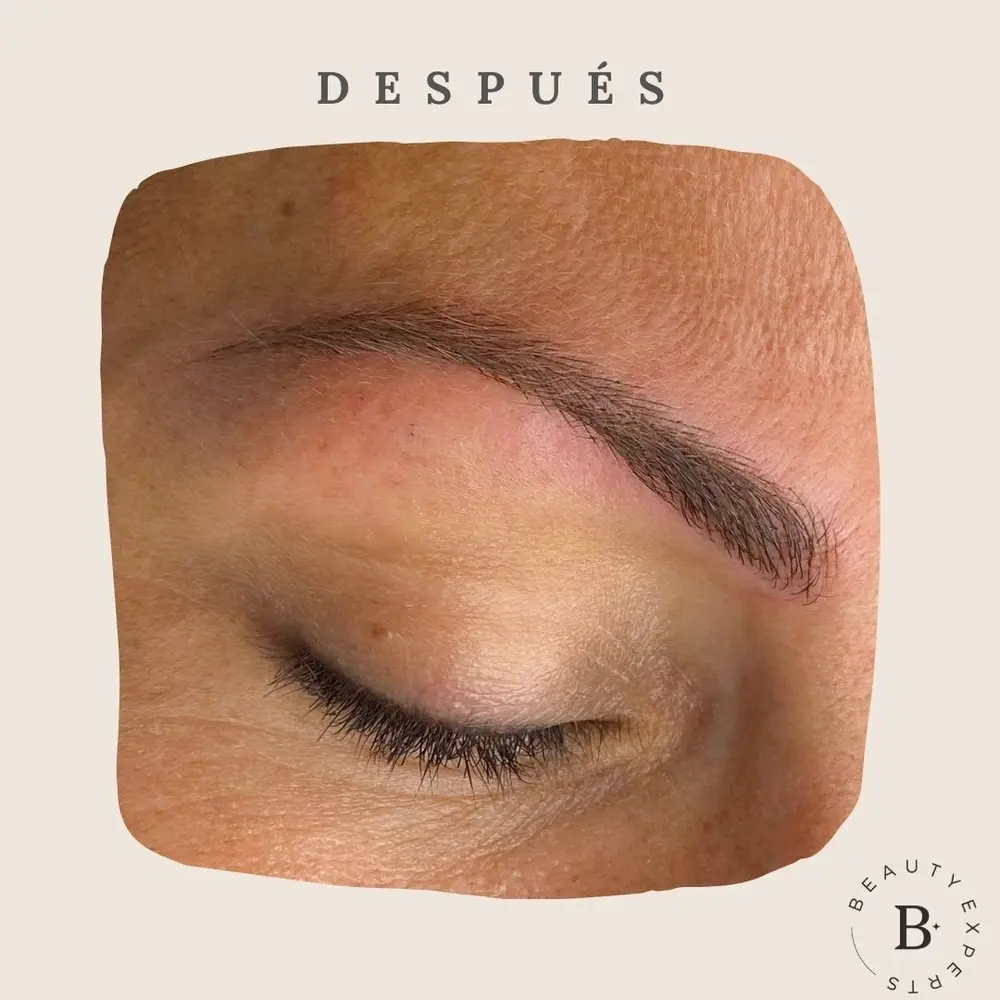
Real photos from @blush.esteticamalaga, no filters. Tap a photo to enlarge it.
FAQs about microblading and your skin
Does microblading reach the dermis?
It works in the deepest part of the epidermis, right at its junction with the dermis. If it goes too far into the dermis, the stroke blurs.
Is microblading suitable for every skin type?
It works on most, but on very oily skin the hair strokes can heal blurred. In those cases a shaded or combination finish is considered.
How long does the skin take to heal after microblading?
The scab comes off in about 10 days and the skin finishes regenerating at around four weeks.
Are there cases where it’s better not to have it?
Yes: for example, if the brow skin is irritated or has a lesion, or during pregnancy and breastfeeding. We explain it in microblading while pregnant.
Does microblading hurt?
Because it is so superficial, most clients describe it as a bearable discomfort, like a light scratch.
Want to know how your skin would respond?
Message us and Antonella will assess your skin type and brows to recommend the technique that will heal best in your case. We can help you in English via WhatsApp. See also how we do microblading in Málaga at BLUSH Estética, C. Constancia 23, near María Zambrano station.