
BLUSH Estética · Central Málaga
Why does microblading fade? The real causes
Eyebrow microblading fades because it is a semi-permanent technique: the pigment sits in the epidermis, a layer of skin that constantly renews itself and gradually clears it away. It fades faster than normal because of oily skin, the sun, how it was looked after while healing, certain skincare products or skipping the touch-up.
Why microblading fades over time
Microblading is designed to fade, like any semi-permanent makeup or PMU. It is a form of tattooing, but unlike a traditional tattoo, which puts pigment deeply into the skin, in the dermis, microblading deposits colour superficially: the pigment in the epidermis sits just above the dermis (we explain it in what layer of skin microblading goes into). That layer renews itself non-stop, and the body itself breaks down and clears the pigment particles. The result is gradual, even fading: the crisp hair-like strokes look softer and softer until a top-up is needed to keep your brows looking fresh. Microblading typically lasts 12 to 18 months, sometimes up to two years.
Fading isn’t a defect; it’s what lets you change your brow design over the years and avoids the bluish tones of old tattoos. How long it takes varies from person to person; for the full answer to how long does microblading last, see how long microblading lasts.
What makes microbladed brows fade faster
Several factors affect how long the pigment stays crisp. These are the ones we see most often in the treatment room:
Oily skin
Excess sebum pushes the pigment out and blurs the strokes. On oily skin the colour fades sooner and the hair strokes lose definition.
Sun exposure
UV rays break down the pigment. Without protection, UV exposure makes the colour lighten faster and it can turn ashy or greyish.
Healing
Picking the scab, scratching, getting the brows wet or sweating a lot in the first few days takes away part of the colour before it settles.
Skincare products
Retinol, acids like glycolic acid, scrubs and peels speed up skin renewal and, with it, faster fading.
No touch-up
The touch-up at 4 to 6 weeks fixes the strokes that didn’t take. Without this week touch-up (around four to six weeks after the initial session), the results last less.
Technique and shade
A stroke that is too shallow or a poorly chosen shade lead to uneven fading and a brow shape that loses definition.
Your skin type
This is the biggest factor and the only one you can’t control: how long it lasts depends on your skin type. Oily skin holds pigment less well; on dry and normal skin the strokes usually stay more defined, although very dry skin that flakes a lot can also lose colour if it isn’t moisturised properly. That’s why for oily skin we sometimes recommend combining strokes with shading, as in microshading or powder brows, which holds up better.
Sun and water
Sun exposure is the second big culprit. Pigment fades with UV light. If you spend a lot of time outdoors, at the beach or in the pool, the colour lightens sooner, and on the Costa del Sol that means most of the year. Here is how to avoid it: microblading and sun exposure.
Aftercare during healing
The healing period is decisive for the pigment to settle as the brows heal. What takes away the most colour during the healing process is removing the flakes too early: wait for the scab to fall off on its own, usually between day 7 and day 10 (we explain it in when the microblading scab falls off). Too much cream, getting the brow wet, the sauna or putting makeup on the area too soon don’t help either; see when you can wear makeup after microblading.
Skincare and facial treatments
After a microblading treatment, avoid applying products with retinol, glycolic or salicylic acid and exfoliants on your brows. If you have peels, facial laser or other treatments on the forehead, tell whoever does them so they keep products away from the brow area, or at least avoid applying them near the brows.
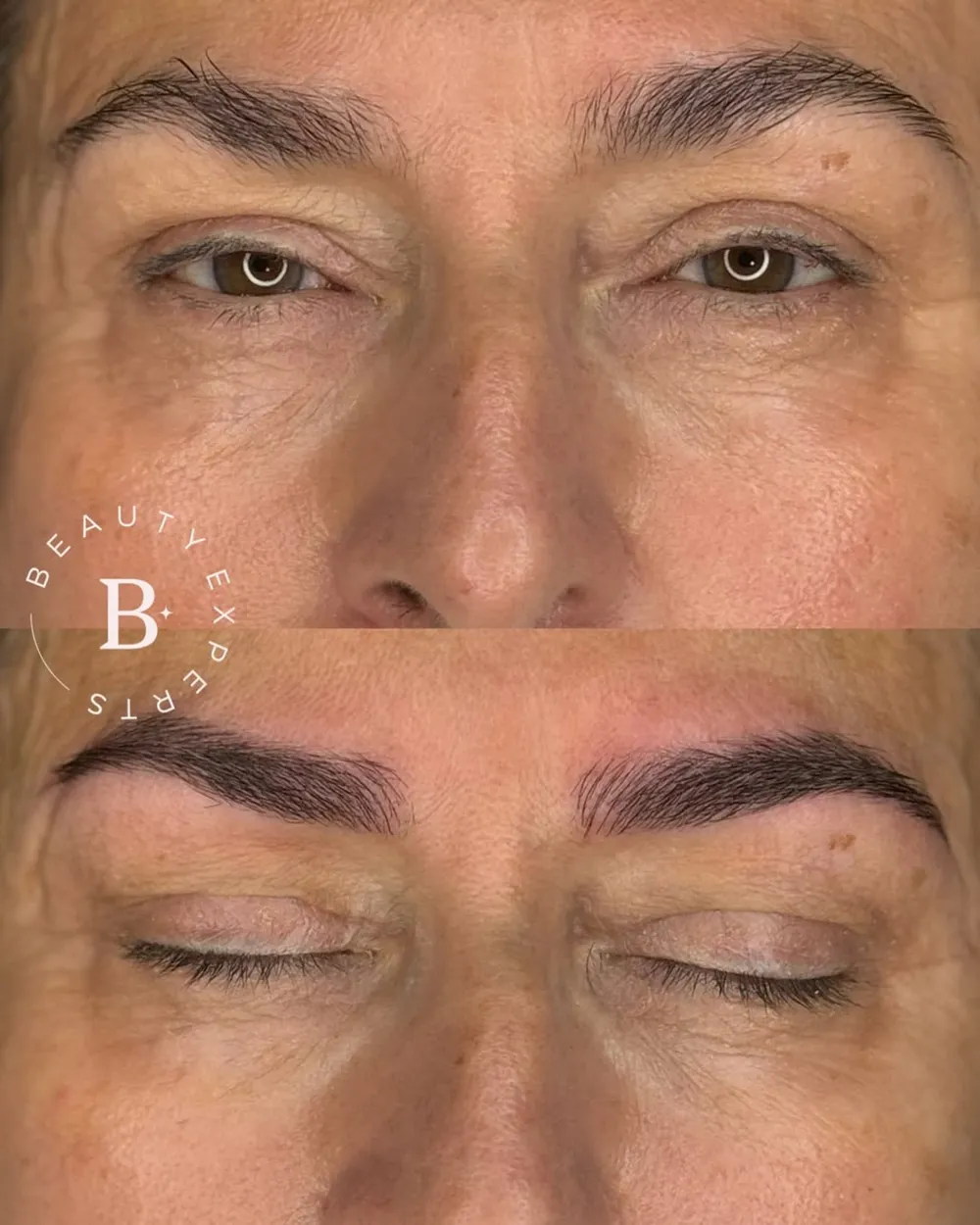
Is my microblading fading or in the ghosting phase?
Many people think their brows fade in the first weeks when they’re actually still healing.
If you had microblading less than a month ago and the strokes have almost disappeared, don’t worry: it probably hasn’t faded. Between day 8 and day 14, after the flaking, a thin layer of new skin covers the colour and it looks as if nothing is left, but the pigment is still there. A few days later the shade comes back, and only after full healing can you judge the result. Each phase is explained in the microblading healing stages, day by day and in when microblading colour settles.
If after six weeks there are areas with no strokes, it isn’t that the microblading has faded but that those hairs didn’t take: they are filled in at the touch-up session.
How to stop microblading fading too soon
- Follow the aftercare for the first 10 days to the letter and don’t touch the scab.
- Have the touch-up 4 to 6 weeks after the first session.
- Use sunscreen on your brows once they have healed: it keeps the pigment from breaking down in the sun.
- Avoid retinol, acids and exfoliants on the area.
- Book your annual top-up (€170 at BLUSH Estética) when you notice the colour has softened, before it disappears completely and you have faded microblading to rebuild from scratch.
Antonella’s tip: don’t wait for your microblading to fade completely before topping it up. If you come in when the pigment starts to fade but the strokes are still visible, we keep the same design and get your brows back to natural-looking brows with less work.
What if I want it to fade?
If you want the opposite, because you don’t like the result or the shade, natural fading takes too long. In that case it can be lightened or removed with a professional removal method. Laser treatment is the one we use at BLUSH Estética, at €50 per session; saline removal is another option some artists offer. Either way it usually takes several sessions to completely remove it, depending on the pigment. We explain it in microblading removal and, if it is just too dark, in how to lighten microblading. If the problem is the design, read microblading gone wrong.
Real results at BLUSH
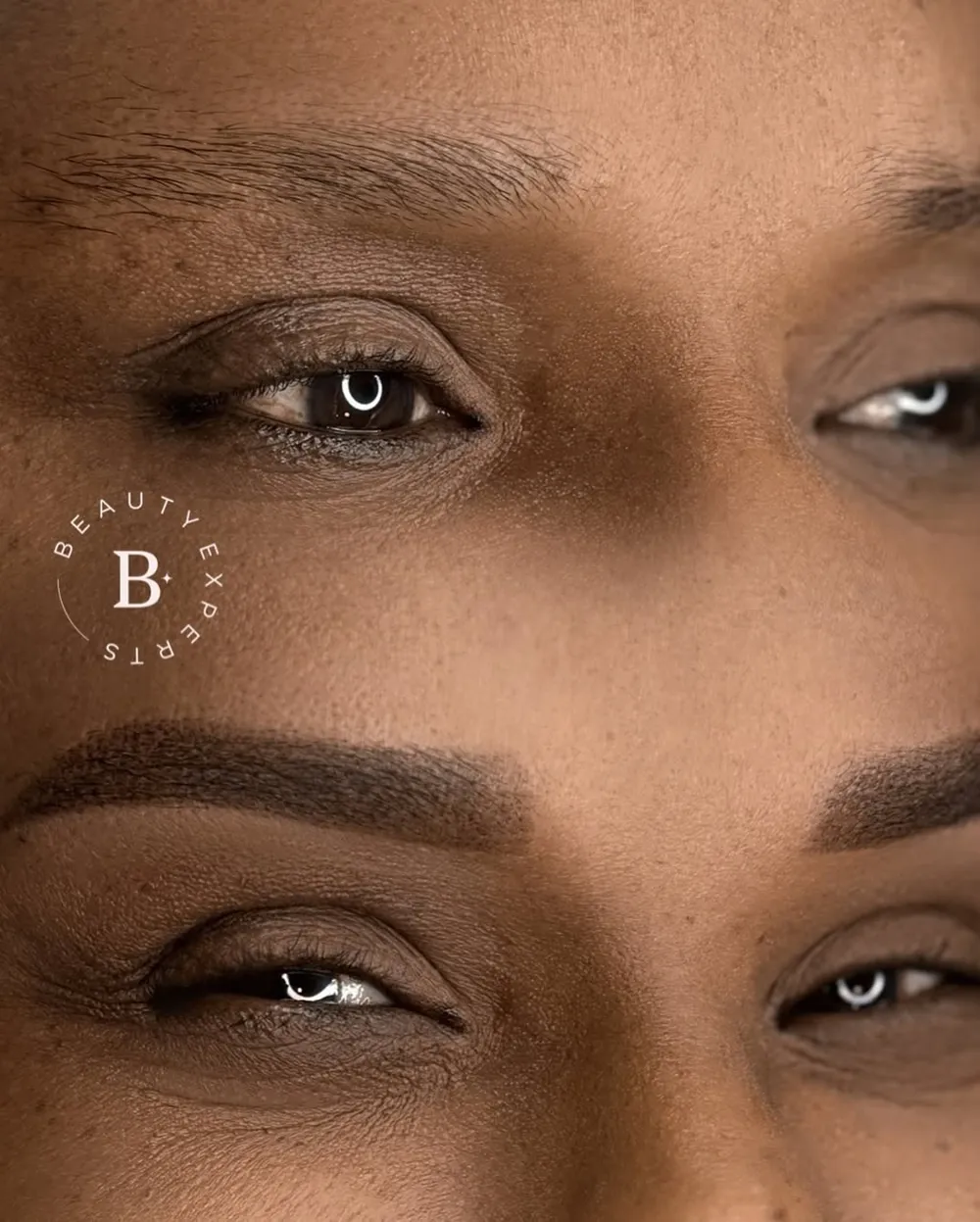
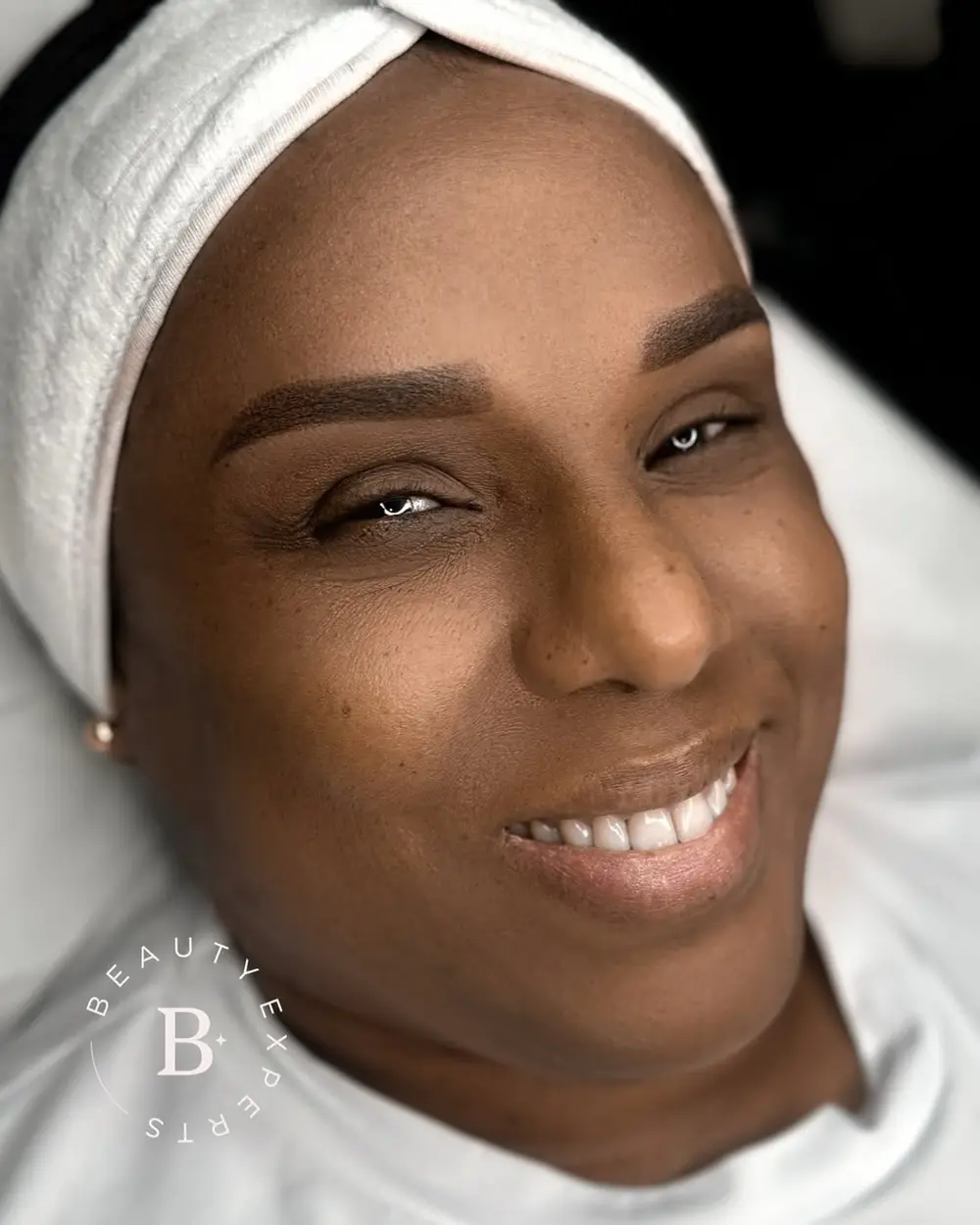
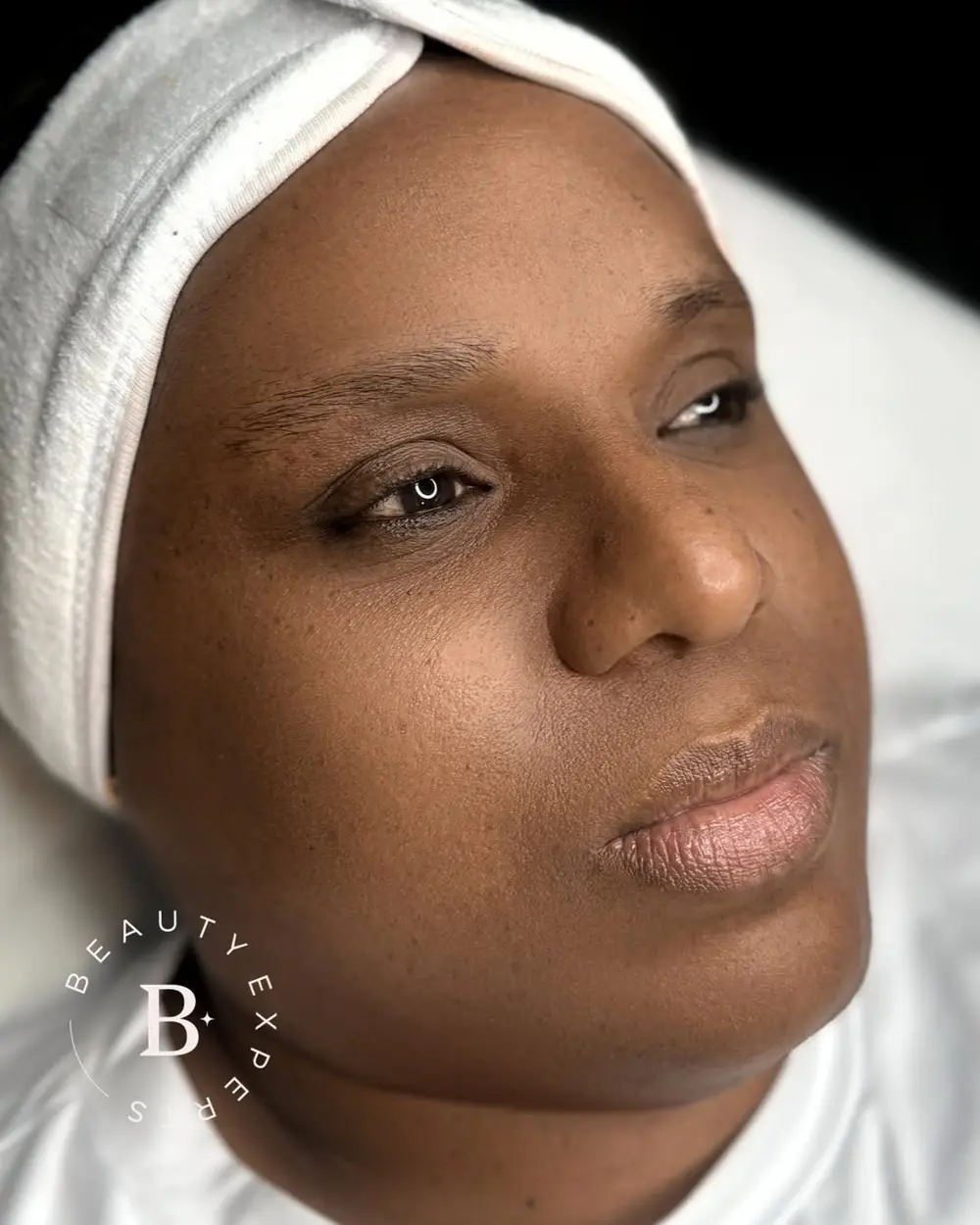
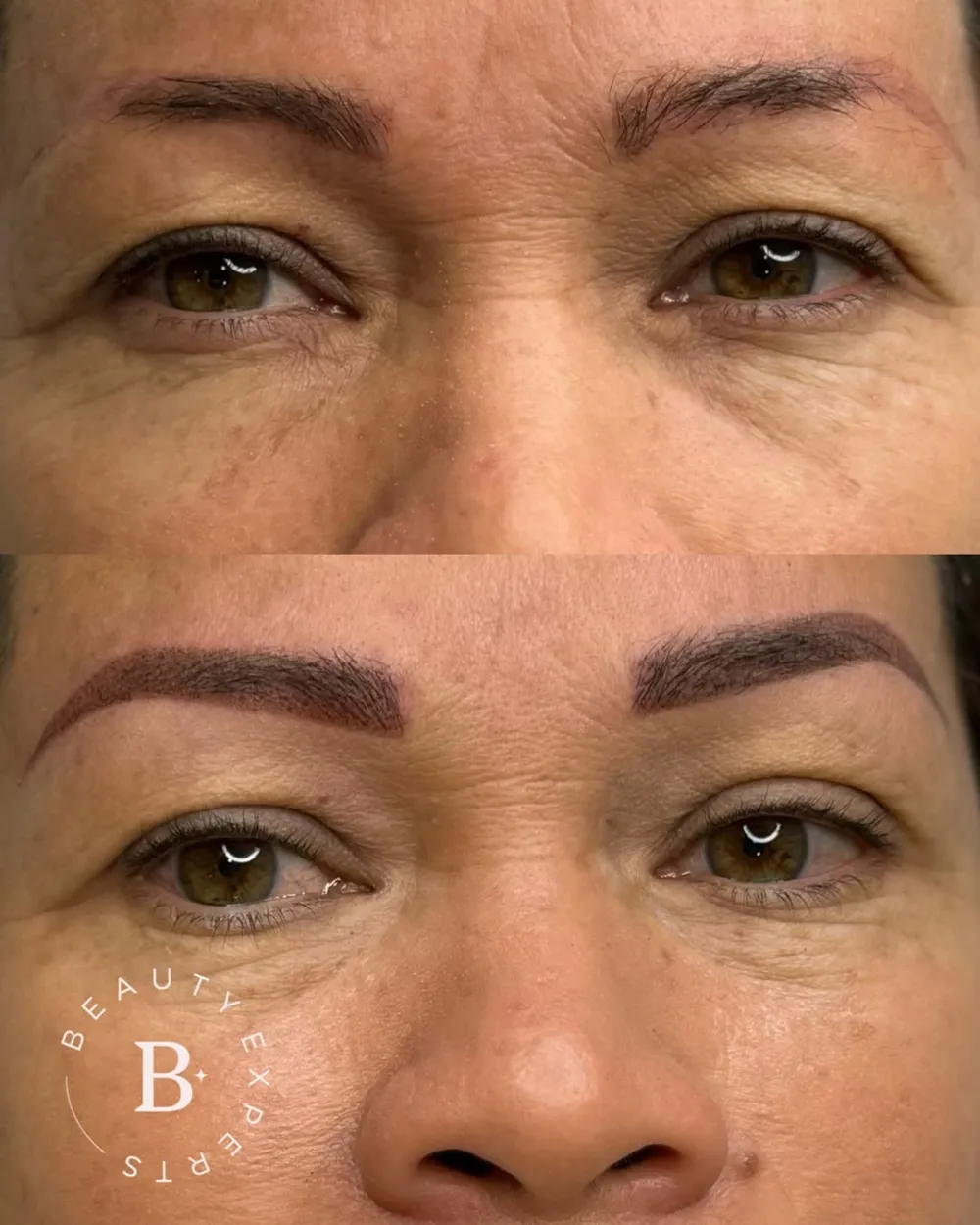
Real photos from @blush.esteticamalaga, no filters. Tap a photo to enlarge it.
FAQs about why microblading fades
Why has my microblading faded so quickly?
The most common causes are oily skin, the sun, removing the scab too early, using exfoliating skincare or not having had the touch-up.
How long does microblading last before it starts to fade?
Microblading typically lasts 12 to 18 months before it needs a top-up, depending on your skin type, sun exposure and aftercare. On oily skin it tends to fade sooner.
Does microblading disappear completely?
Over the years it lightens until it is barely visible, although on some skin a very faint shadow of colour can remain.
Is it normal for it to fade after two weeks?
Yes, it looks as if it has faded during the ghosting phase, between day 8 and day 14. The colour comes back over the following weeks.
What do I do if my microblading doesn’t hold colour?
Wait for it to heal; at the touch-up the strokes that didn’t take are gone over again. If that’s your case, message us with a photo.
Is your microblading fading?
Send us a photo in natural light and Antonella will tell you whether you need a touch-up, an annual top-up or simply to wait. The centre works in Spanish, but we can help you in English via WhatsApp. Find out how we approach microblading in Málaga at BLUSH Estética, C. Constancia 23, near María Zambrano station.