
BLUSH Estética · Central Málaga
Microblading gone wrong: how to spot bad microblading and fix it
If your brows have turned out greyish, blurred or uneven, you’re not alone and there is almost always a solution. Here’s how to tell whether it’s a microblading mishap or just part of healing, and what your real options are: bad microblading can be fixed far more often than people think.
When is it considered badly done?
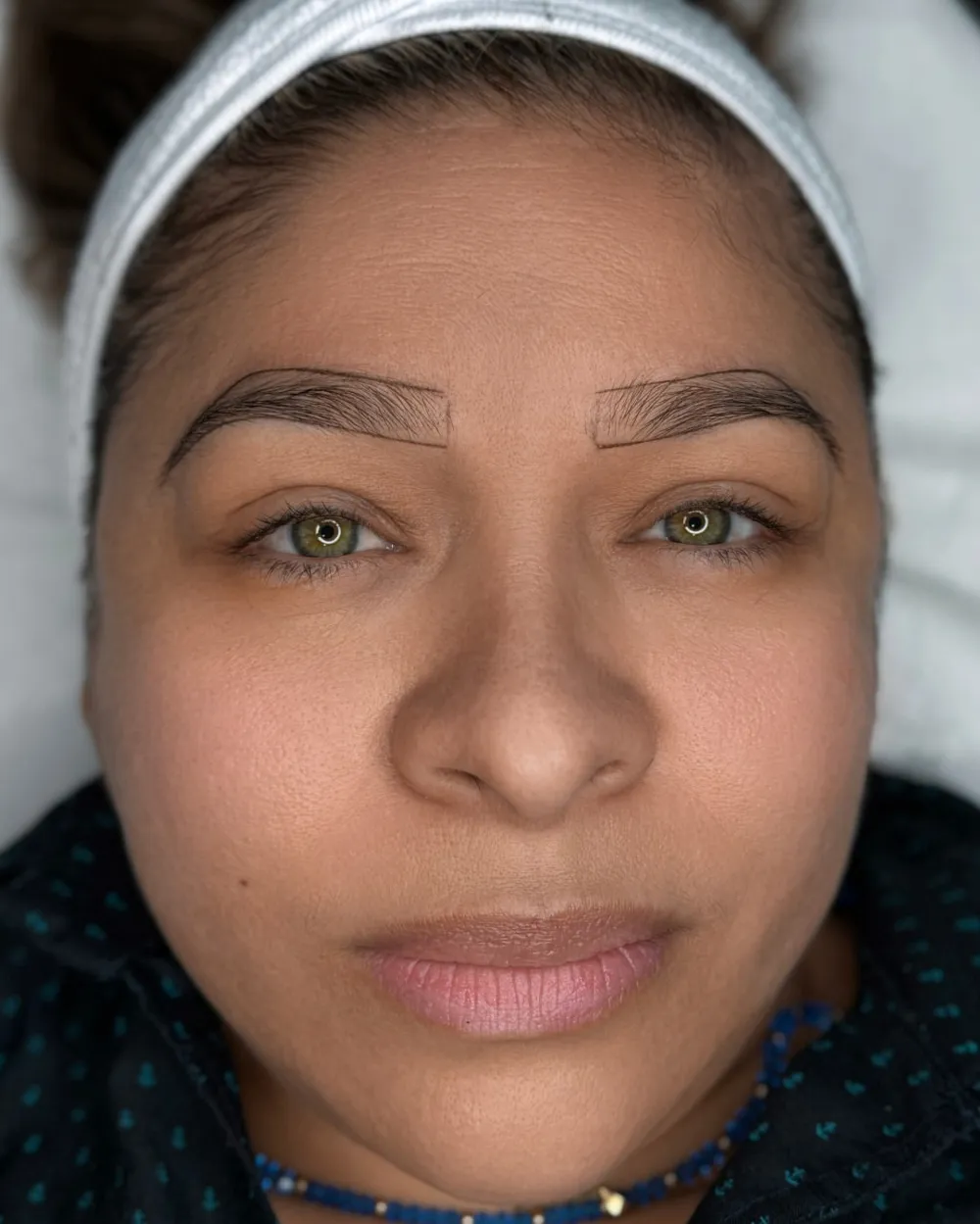
Good work looks like natural brow hair: fine, separate hair strokes, the shade of your natural eyebrows and a shape that suits your face. We talk about microblading that goes wrong when, after full healing, the result is clearly far from that. The problem can lie in the design, the colour chosen or the depth at which the procedure was carried out, whether you had it done at a beauty salon or at a clinic, and it isn’t always the brow artist’s fault: sun exposure and skincare also play a part.
Before you judge, bear the timeline in mind. During the first few days brows look darker and thicker, then a thin scab appears and, when it falls off, the colour seems to disappear. That’s normal and doesn’t mean the work is bad. If you’d like to understand that phase, we explain it in when microblading colour settles.
How to tell if your microbladed eyebrows look wrong
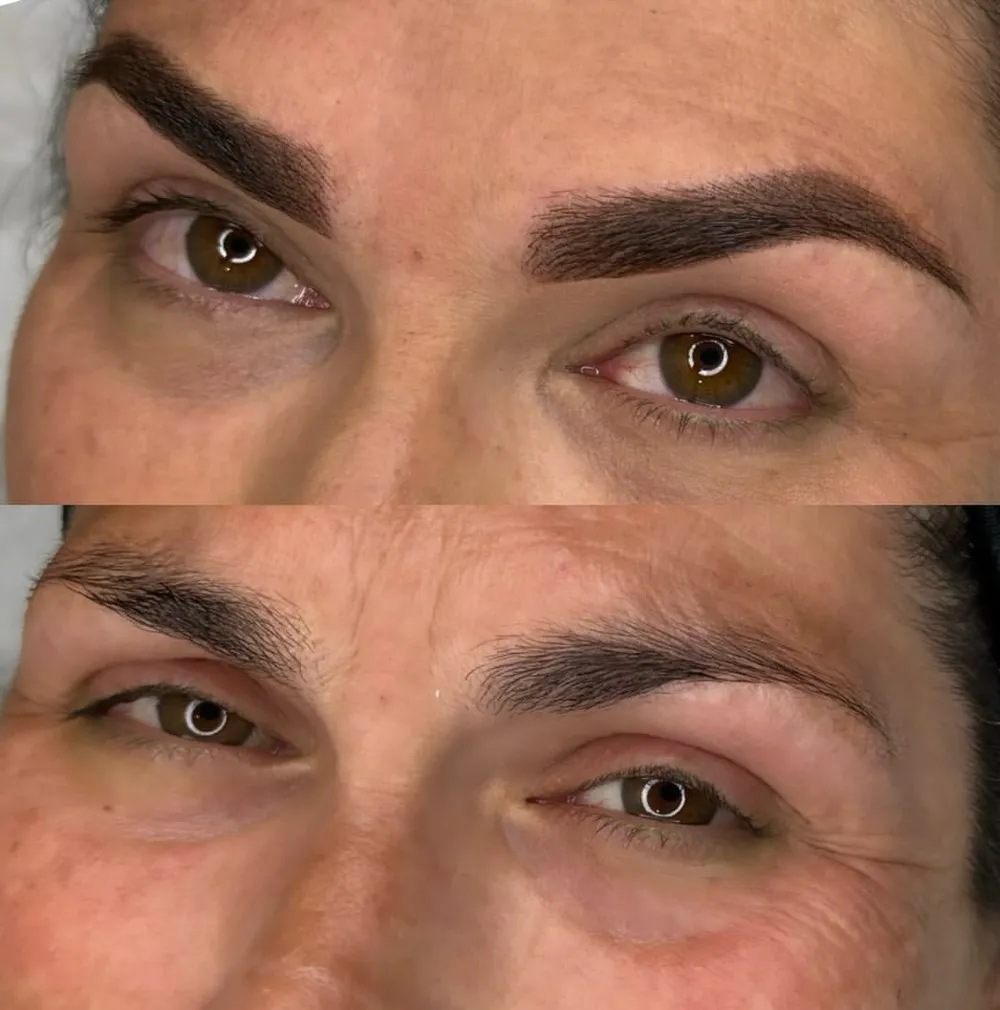
These are the most common signs we see when a client comes to us about brows done at another salon. To spot the problem, look in natural light without makeup:
Grey, blue or pinkish tone
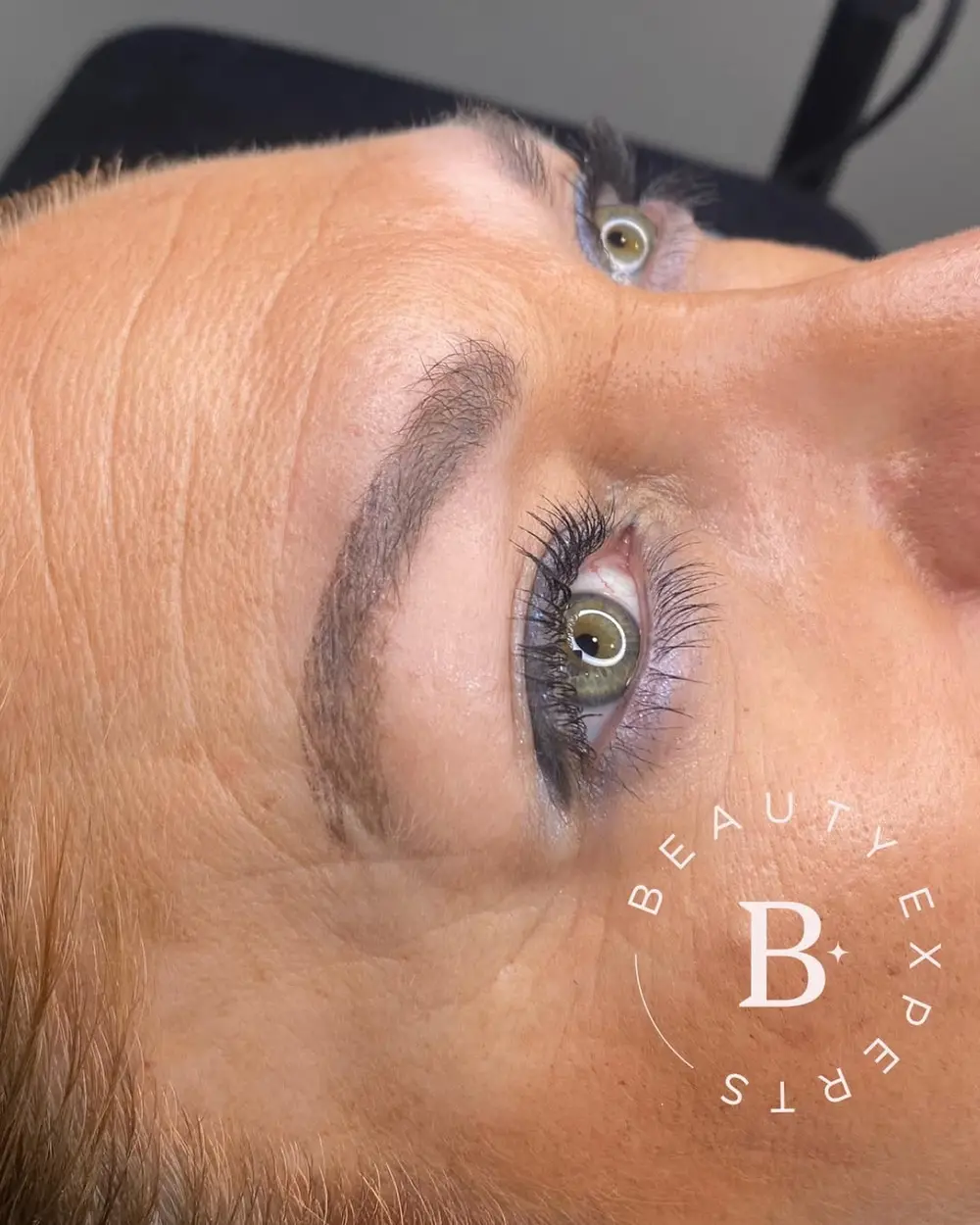
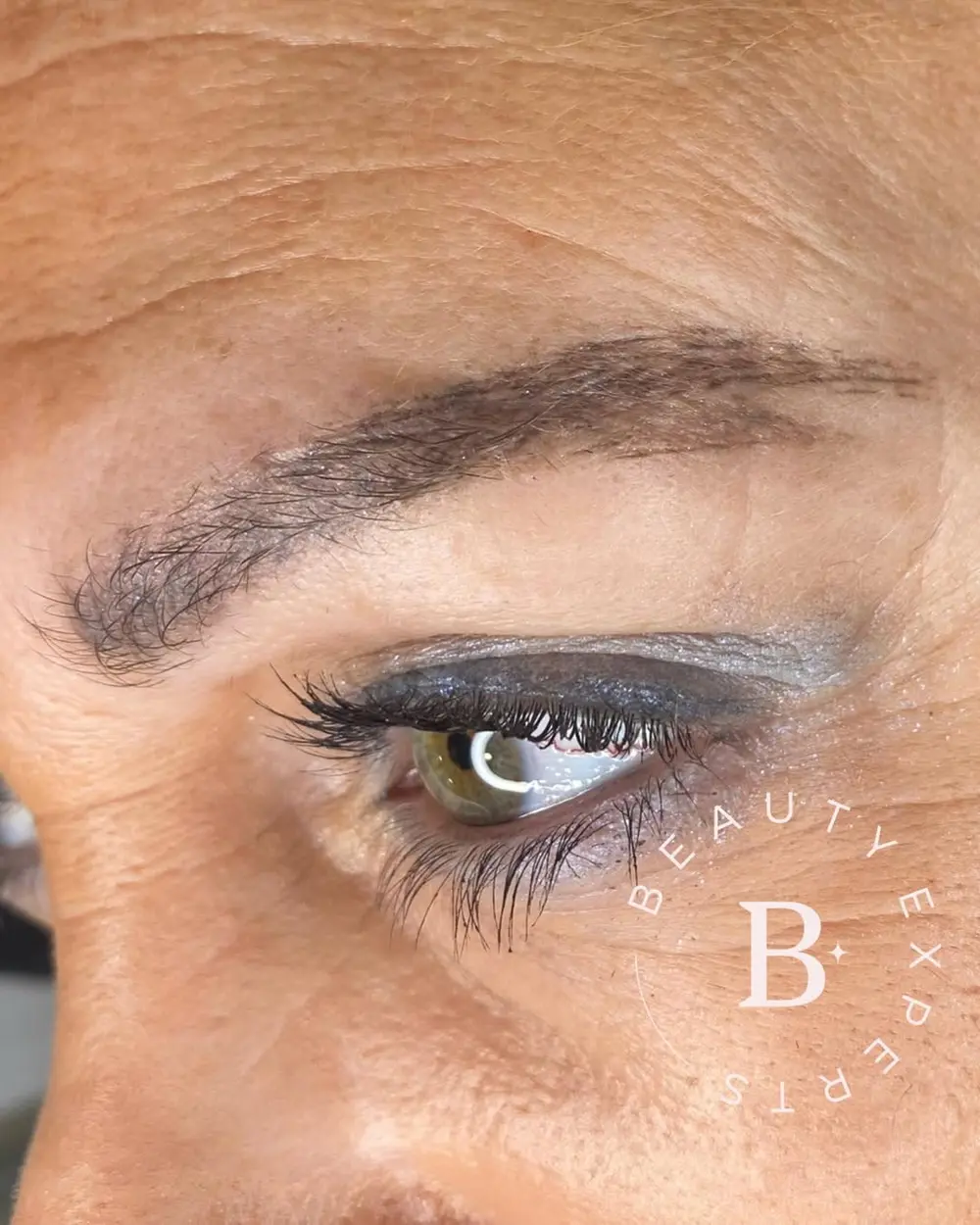
The colour has shifted, a discoloration that shows as unwanted color. It tends to happen with poor-quality inks, a shade that is too cool for your skin or when the work went too deep. A colour that doesn’t exist in your hair gives it away.
Bled strokes
The lines have merged and the brow looks like a block. Instead of lines that mimic hair, you see a smudge that shows from a metre away.
Brow shape or asymmetry
Asymmetrical brows, one higher or longer than the other, too arched, too straight, too thin or a tail that is too thick. It’s almost always a problem of measuring and not mapping the shape properly before starting.
Too deep
If the pigment was placed below the upper layer of the skin, the result behaves like a tattoo: it stays marked, spreads and doesn’t fade over time.
Other clues: scarring or raised skin in the area, brows that became far more swollen than normal, or an allergic reaction to the pigment that nobody warned you about. If you have discomfort, intense itching or swelling that won’t go down, see your doctor first.
Why does it go wrong?
- No prior assessment. Nobody studies your features or draws the brow before starting.
- The wrong colour. A pigment that doesn’t suit your skin and hair, or a low-quality ink. Iron oxide pigments that are too cool can heal grey or blue.
- The wrong depth. Work that is too deep (tattoo effect) or too shallow (fades straight away).
- Skin type misjudged. On oily skin the strokes tend to spread; sometimes powder shading (powder brows or ombre brows) is better.
- After the microblading treatment. Picking the scab, the sun, harsh skincare or getting the area wet too soon also have an effect, even if the work was good.
Microblading gone wrong: what to do first
The first thing is not to make decisions while your brows are freshly done. This is what we usually advise, in this order:
- Wait for it to heal. Allow at least 4 to 6 weeks. Many results that look like a disaster on day one, in the heat of the moment, soften on their own once the process is over.
- Don’t try to cover it up any old way. Avoid harsh products or home remedies to remove the colour; they can irritate the skin and make everything harder.
- Take photos and keep your paperwork. Photos in good light, the consent form and the price you paid. If the salon doesn’t respond and you want to complain, you’ll need them.
- Talk to whoever did it. If the flaw is minor (a gap, a hair stroke that didn’t take), a touch up session may be enough.
- Get a second opinion. The most sensible step is to go to a specialist centre so they can assess the skin, the colour and the shape before touching anything.
How to fix bad microblading: correction options
There is no single answer to microblading correction. The option depends on how marked the pigment is and what you want to achieve. These are the most common cosmetic techniques:
Redesign and fill in
If the brow turned out short, thin or patchy, it can be redesigned by adding hair strokes where they’re missing or evening out the shape. It works when the old colour is soft and the right shade.
Color correction
When the colour has shifted to grey, blue or reddish, a corrector in the opposite tone helps neutralize that cast before the final colour is applied. It takes experience: if it’s chosen badly, it makes the result worse.
Cover with shading or powder brows
If the strokes have bled but the shape is usable, shading can cover the lines and give an even brow that looks natural. Some artists suggest switching to nano brows or nano strokes instead; we don’t offer nanoblading at BLUSH, and for correction work over old pigment, shading is the most common cover-up. It’s the most common cover-up technique over old semi-permanent makeup.
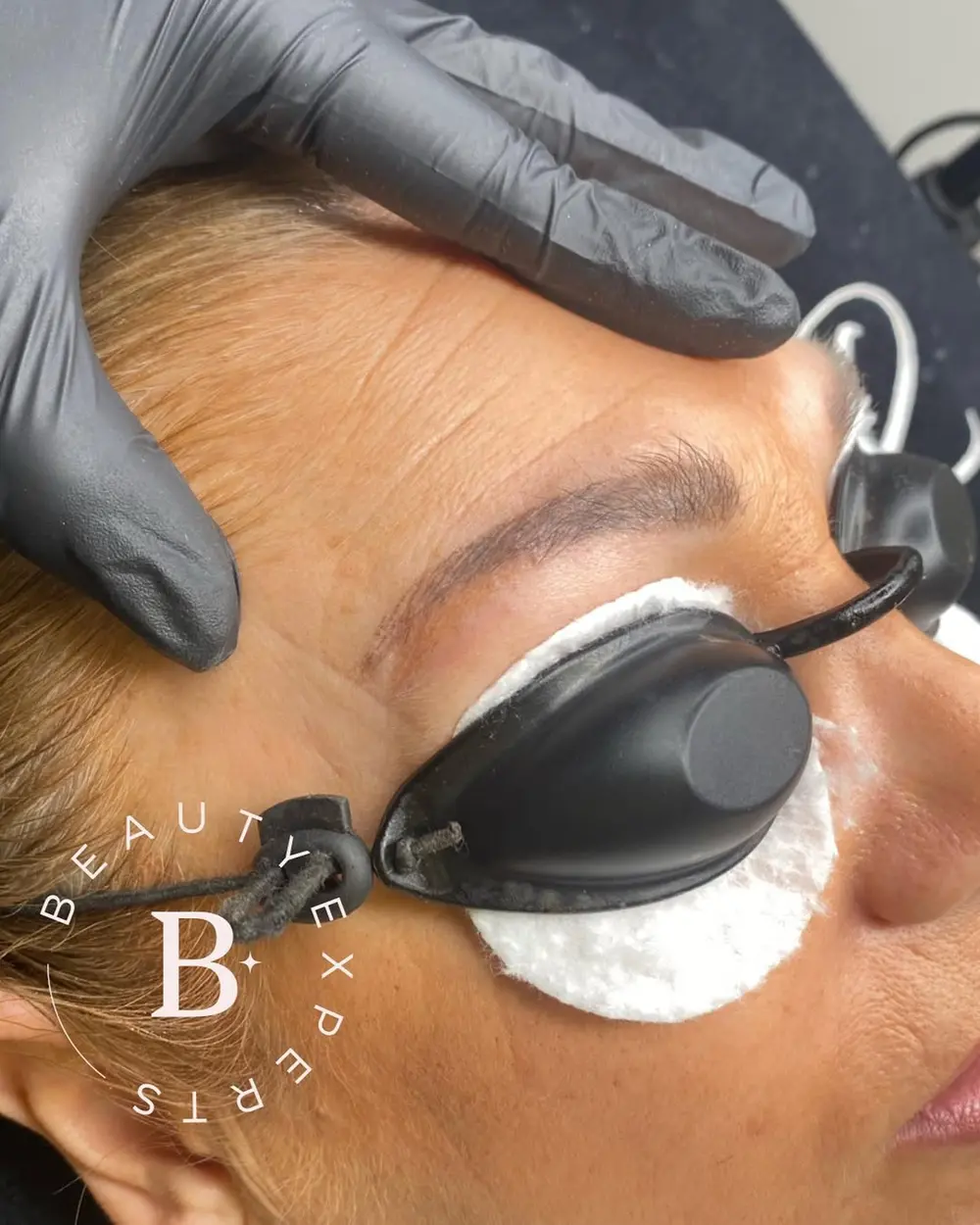
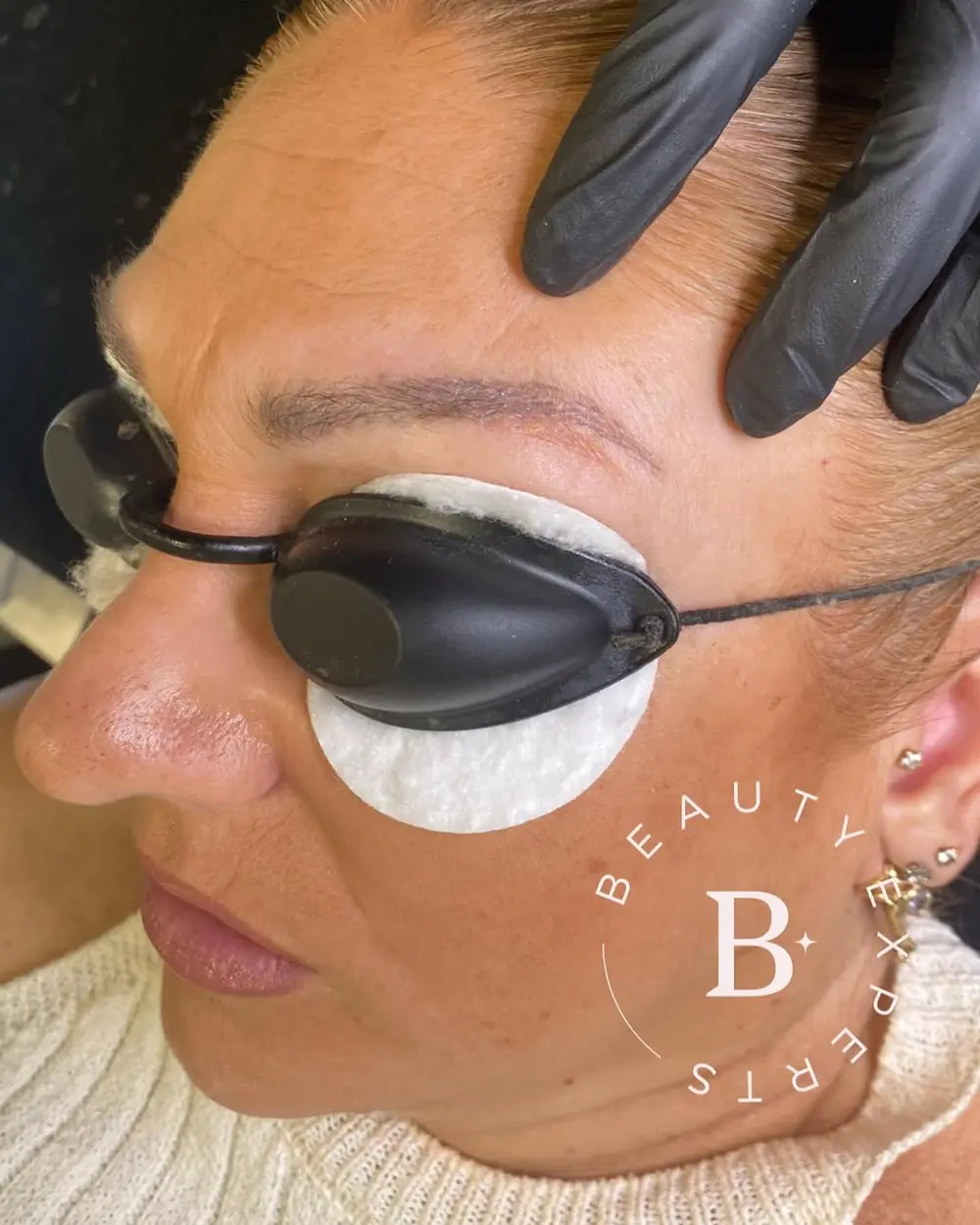
Lighten or remove with laser
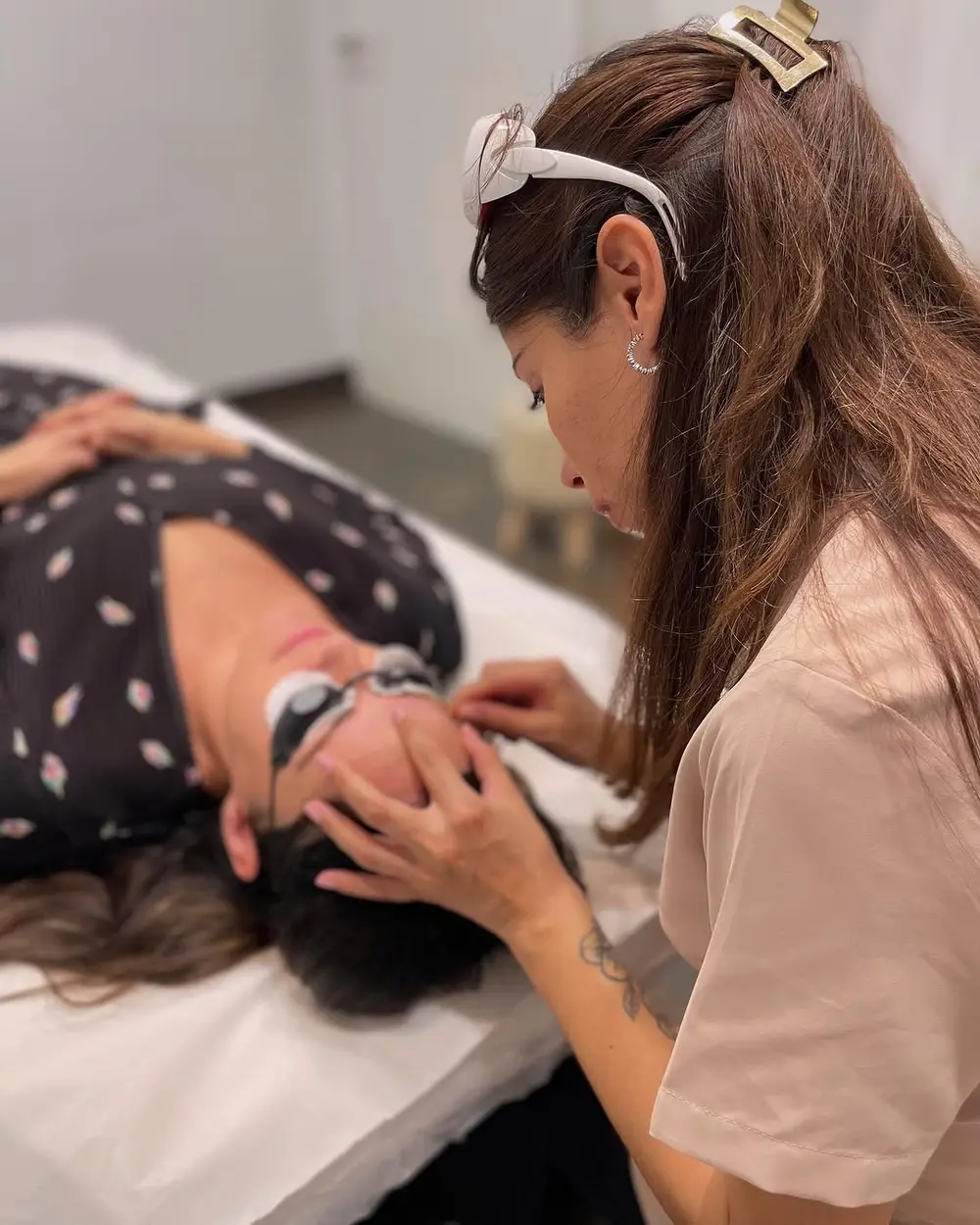
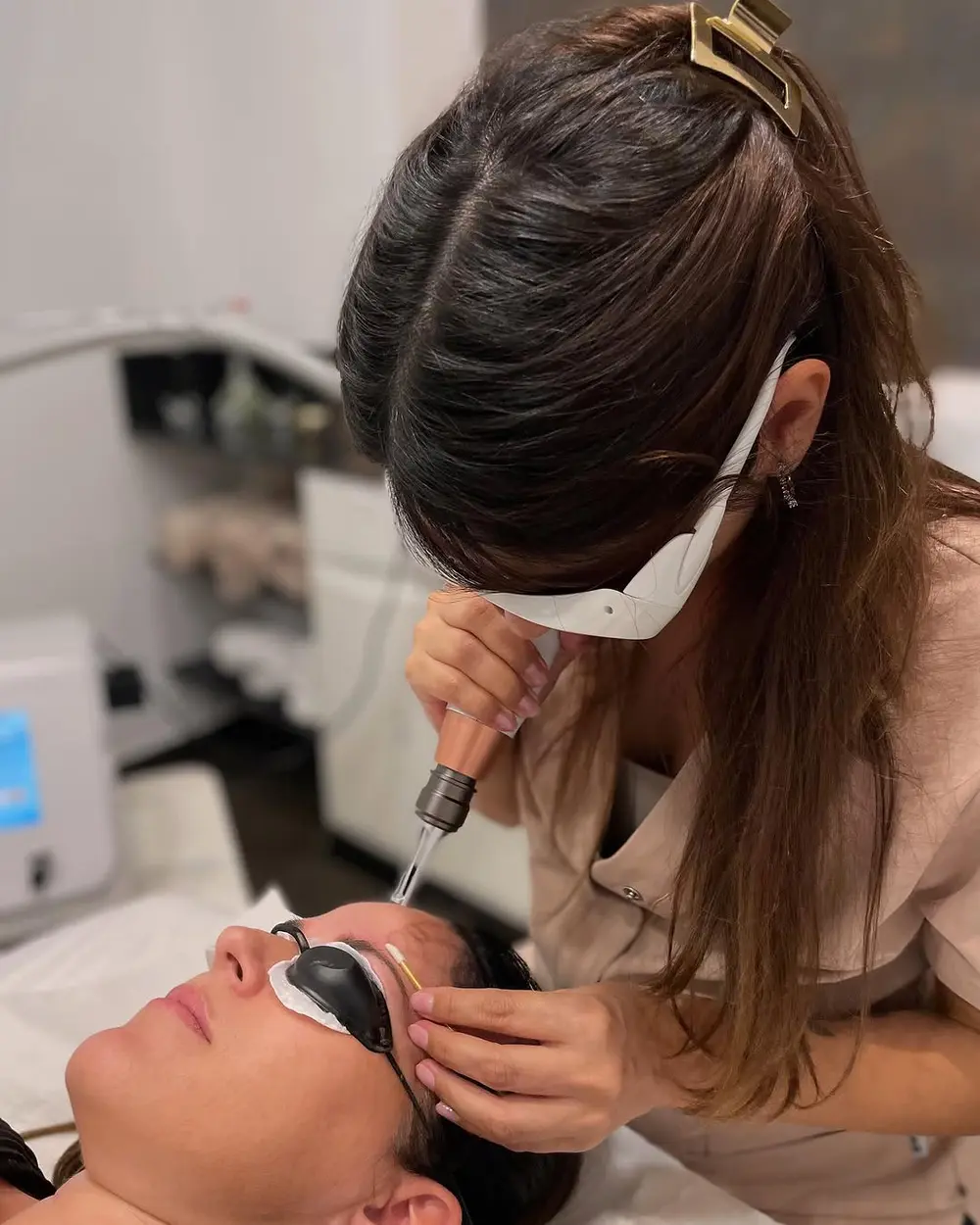
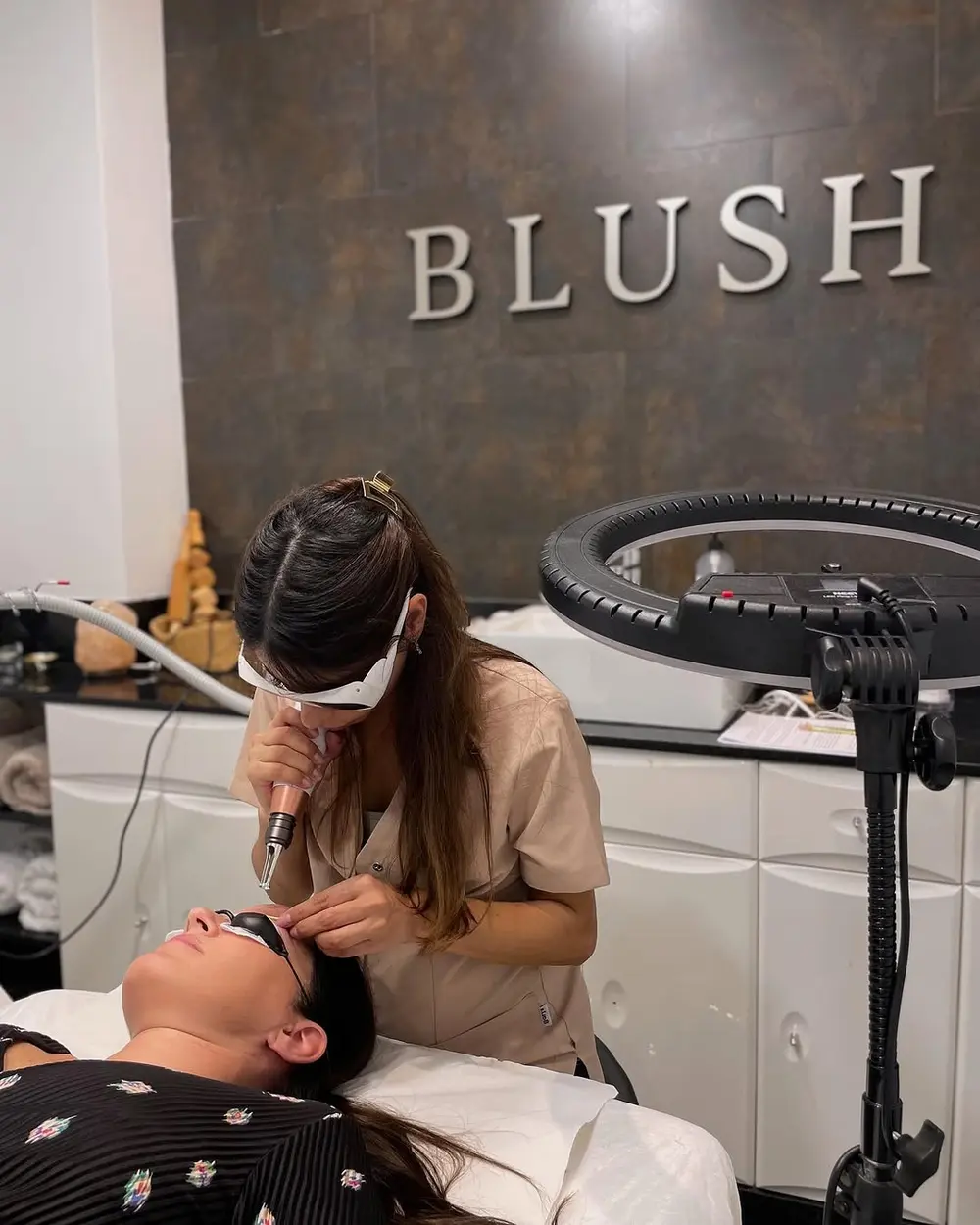
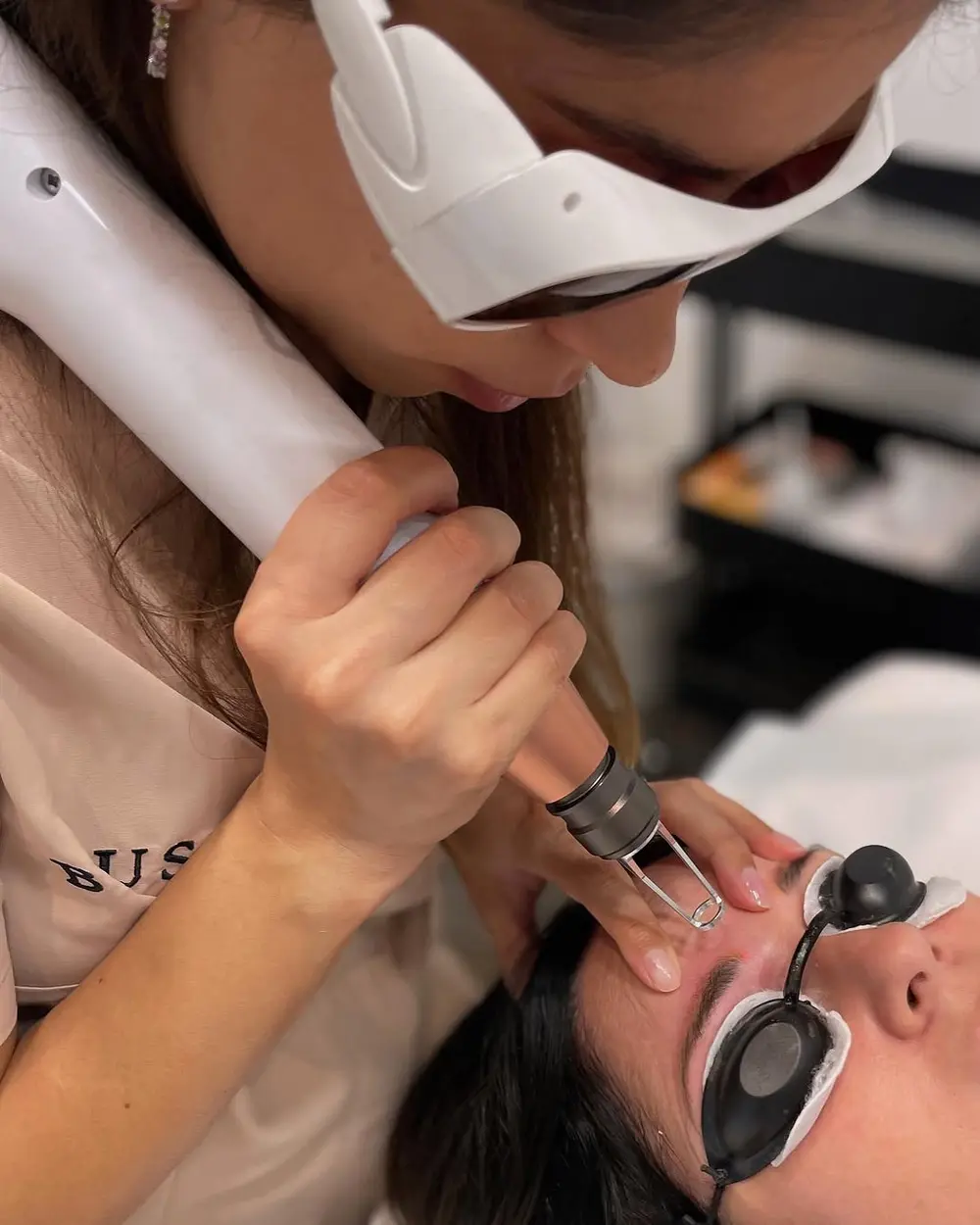
If the colour is too dark, very deep or the shape can’t be saved, it’s best to lighten it first. At BLUSH we work with laser treatment (€50 per session), the same principle as tattoo removal, and the number of sessions depends on each case; full removal isn’t always necessary. We explain all the methods and how they differ in microblading removal.
Antonella’s tip: don’t have microblading done over old pigmentation without first assessing what’s left underneath. Sometimes two lightening sessions save months of fixes.
Choosing an artist so it’s done right
The best correction is the one you never need. Before your appointment, check that the PMU artist:
- Shows you real, healed work, not just freshly done photos.
- Draws and measures the brow design with you before carrying out the treatment, and doesn’t start until you’re happy.
- Chooses the colour according to your skin and hair and explains why.
- Gives you a consent form and written aftercare instructions.
- Says no when your skin isn’t suitable for strokes, for example very oily skin, and suggests another technique that will still look natural and flatter your face.
- Explains the top-up plan and is reachable if something doesn’t turn out as expected, so you end up with beautiful brows that respect your natural growth.
At BLUSH, Antonella personally carries out every PMU session. If you’d like to see how we approach microblading in Málaga, start with the design: it’s the part we spend the most time on. You can also read our clients’ reviews.
“Me he realizado un microblanding de cejas y me ha encantado, tenía mucho miedo a que no me gustara, pero he salido encantada.
Antonella es un encanto y muy buena profesional.”“I had eyebrow microblading and I loved it. I was really scared I wouldn’t like it, but I left delighted. Antonella is lovely and very good at what she does.”
Pilar L. · Google (translated from Spanish)
“Me realicé Microblading de cejas efecto shading y Micropigmentación de labios en BLUSH con Antonella. Me encantan los resultados! Son muy naturales. Como es un tratamiento de larga duración estaba un poco nerviosa, pero Antonella se tomó mucho tiempo realizando el diseño e incorporando los cambios que le pedí.”
“I had shading-effect eyebrow microblading and lip permanent makeup at BLUSH with Antonella. I love the results! They’re very natural. As it’s a long-lasting treatment I was a bit nervous, but Antonella took a lot of time on the design and on making the changes I asked for.”
Claire M. · Booksy (translated from Spanish)
Corrections and results at BLUSH
Real photos from @blush.esteticamalaga, no filters. Tap a photo to enlarge it.
FAQs about microblading gone wrong
Can bad microblading be fixed?
Yes, in most cases. Depending on the problem, the shape can be filled in, the colour neutralised, covered, or lightened before pigmenting again. What matters is that a specialist assesses it once the skin has healed.
How long do I have to wait to fix it?
At least 4 to 6 weeks, until the skin has finished healing and the colour has settled. If it’s going to be lightened with laser, the sessions are spaced out so the skin can recover in between.
Why have my microbladed brows turned grey or blue?
It’s usually down to a colour that was too cool, low quality or placed too deep. It’s treated with an opposite tone and, if it’s very marked, by lightening it first.
Can I have new strokes over old work?
Only if the old colour is soft and the shape is usable. If it’s very dark or has shifted colour, it needs lightening first; otherwise the new strokes mix with what’s underneath.
Can I complain about a bad result?
If the result doesn’t match what was agreed, keep photos, the receipt and the consent form, and tell the salon in writing. If there’s no reply, the consumer offices in Spain (OMIC) can advise you.
How many sessions does lightening take?
It depends on how dark and deep the pigment is. Some cases only need a little lightening so they can be corrected on top; others need several sessions. We assess it in person.
Would you like us to assess your brows?
Send us a photo in natural light on WhatsApp and Antonella will tell you which option makes sense in your case: fill in, cover or lighten first. The centre works in Spanish, but we can help you in English via WhatsApp. We’re at C. Constancia 23, Málaga, near María Zambrano station, Monday to Friday 10:00 to 19:00.